What Is Strength and Conditioning for Padel?
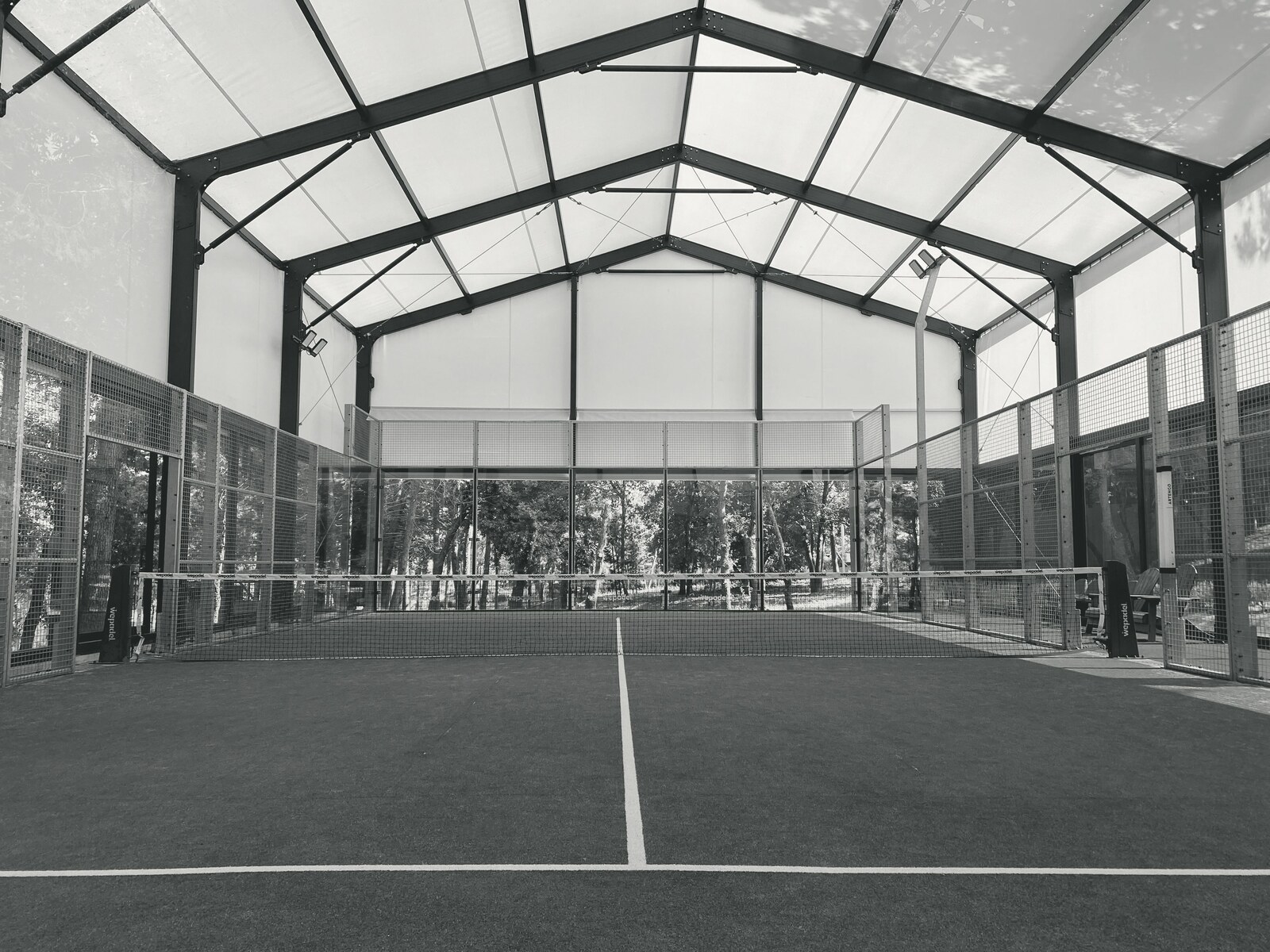
Padel is a fast-growing racket sport played on an enclosed court, combining elements of tennis and squash. It's a game of short, explosive movements: quick lateral steps, sudden changes of direction, overhead smashes, and low volleys played close to the glass walls. Matches are typically doubles, played in tight spaces, which puts a premium on reaction speed and controlled deceleration over raw distance covered.
Strength and conditioning for padel builds the physical qualities that support this specific movement profile: rotational power for smashes and volleys, lateral agility and deceleration strength for the constant direction changes, and shoulder and core stability to handle repeated overhead and off-balance shots. It's built around the same principles used for tennis, but adapted to padel's shorter court, use of walls, and even faster pace of exchange.
A well-built programme combines lower-body strength and power work with rotational core training and reactive agility drills, tailored to the tighter, more explosive movement patterns padel actually demands.
Why Is It Important?
Padel's enclosed court and doubles format mean players are almost constantly moving, reacting, and changing direction in a confined space, often at close range to their partner and opponents. Without the strength and control to decelerate quickly and change direction cleanly, players either arrive late to the ball or lose balance attempting to get there, both of which cost points and increase injury risk.
The sport's demands on the shoulder and lower back are also real. Overhead smashes, low reaching volleys, and off-balance shots near the glass all place repeated stress on joints that aren't always prepared for it, particularly in players who've picked up padel as a newer sport without the years of sport-specific conditioning that, for example, lifelong tennis players often carry over. Building strength and stability specifically for these demands reduces that risk while also giving players more power and control at the net and on smashes.
Who Is It For?
Strength and conditioning for padel isn't only for competitive players. It applies to anyone whose game involves the sport's short, explosive, close-quarters movement.
For competitive players, it's a direct performance lever: more power on smashes, faster reaction at the net, and better durability across a long season of matches. For recreational players, many of whom come to padel later in life or from other sports, it's often what keeps the body able to handle the sport's demands without picking up the shoulder, knee, or lower back issues that under-prepared players are prone to. For tennis players adding padel to their game, much of their existing conditioning transfers, but the tighter court and faster exchanges reward some specific adaptation.
In short, strength and conditioning for padel is for anyone who wants their body to keep up with a sport that's fast, explosive, and played in tight quarters, rather than letting fitness be the limiting factor on their game.