What Is Mobility Training?
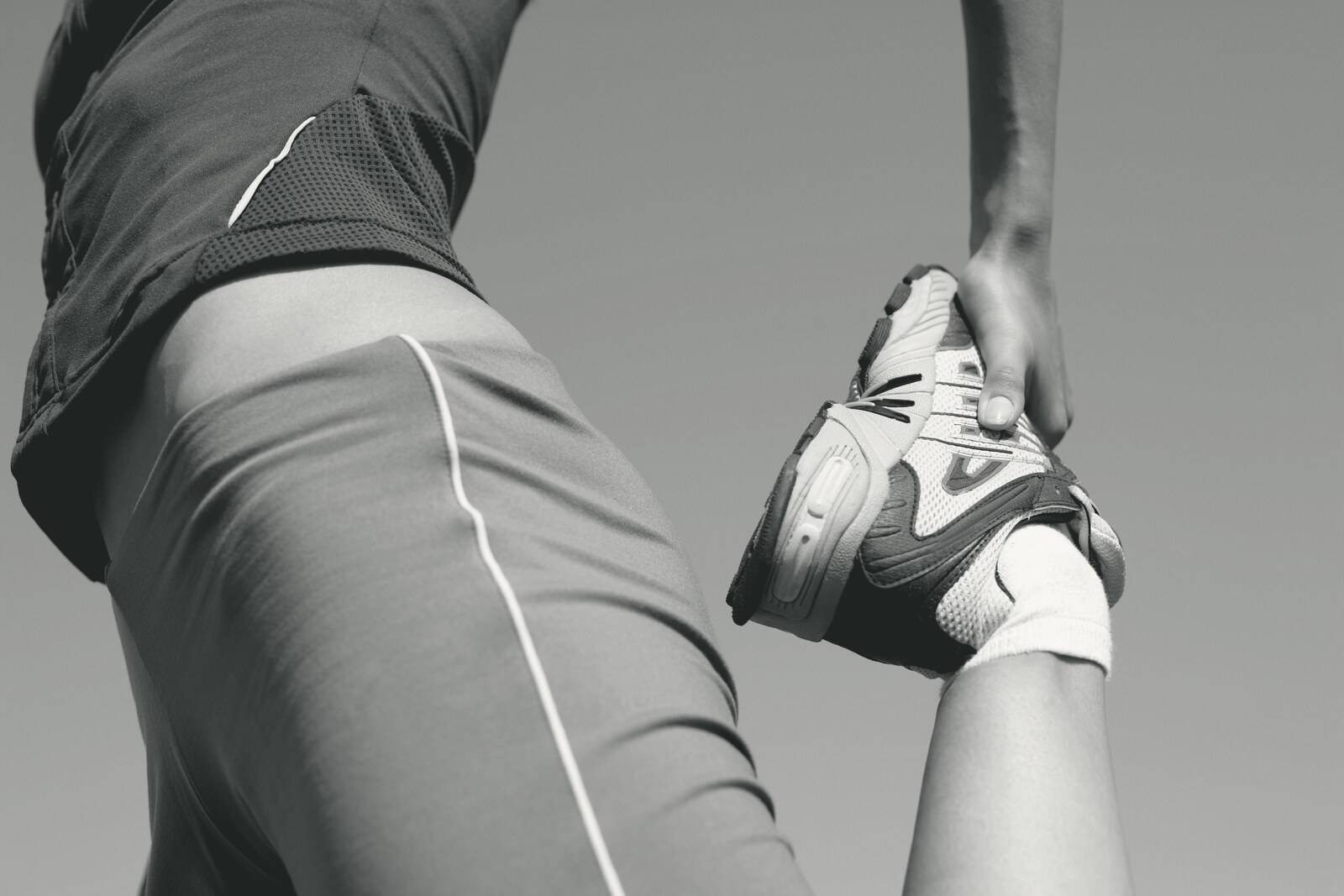
Stretching and mobility are often used interchangeably, but they're not quite the same thing. Stretching lengthens a muscle, usually held in a fixed position. Mobility is broader: it's the ability to move a joint through its full, usable range under control, which depends not just on muscle length but on joint structure, stability, and how well the nervous system controls that range.
A tight hamstring might stretch to touch your toes, but that says little about whether your hips can control that range of motion during a sprint, a golf swing, or a tennis serve. Mobility training reflects that difference. It typically combines static stretching (holding a lengthened position, usually best suited to cool-downs or rest days), dynamic stretching (moving through a range of motion, usually used to prepare the body before training), and controlled joint work that builds strength and stability at the end ranges a sport actually demands.
A well-built approach doesn't chase flexibility for its own sake. It identifies which specific ranges of motion a sport requires, and where an athlete's own movement is currently falling short of that.
Why Is It Important?
Every sport asks the body to move through a specific set of ranges, repeatedly and often under load. A tennis serve needs shoulder rotation. A golf swing needs thoracic spine and hip rotation. A running stride needs hip extension. When mobility in these areas falls short of what the movement demands, the body doesn't simply refuse to perform it. It compensates, usually by pulling extra range from a joint nearby that wasn't built to provide it.
That compensation is where a lot of overuse injuries come from. Restricted hip mobility in a runner often shows up as lower back pain, not hip pain, because the lower back ends up compensating for range the hip can't provide. Restricted shoulder mobility in a swimmer or tennis player is a well-documented contributor to shoulder impingement, for the same reason. Addressing mobility directly, rather than just training around it, tends to reduce these compensation-driven injuries and improve the quality and efficiency of the movement itself, whether that's a longer, more powerful stride or a cleaner, faster rotation through a swing.
Who Is It For?
Mobility work isn't just for people who feel stiff. It's relevant to any athlete whose sport asks specific joints to move through specific ranges, which is every sport covered in strength and conditioning work.
For golfers and tennis players, thoracic spine and hip rotation are usually the highest-value areas, since both sports depend on generating power through rotation. For runners, hip and ankle mobility directly affect stride length and running economy. For swimmers, shoulder mobility is central to stroke efficiency and injury prevention. For older athletes, mobility work plays a further role, since range of motion naturally declines with age unless it's actively maintained, and preserving it is often more valuable than any other single intervention for staying active long-term.
In short, mobility training is for any athlete who wants their body to access the full range their sport actually demands, rather than compensating around the range it doesn't have.